Mostrando postagens com marcador Cinderella. Mostrar todas as postagens

sexta-feira, 11 de novembro de 2011

The Disney’s Horse History

The children’s area in the Disney's Saratoga Springs Resort lobby is decorated with artwork of famous Disney horse characters, which caught me off guard at first.


Sure Disney has tons of popular animal characters – mice, ducks, bears and so on – but Disney horses? 
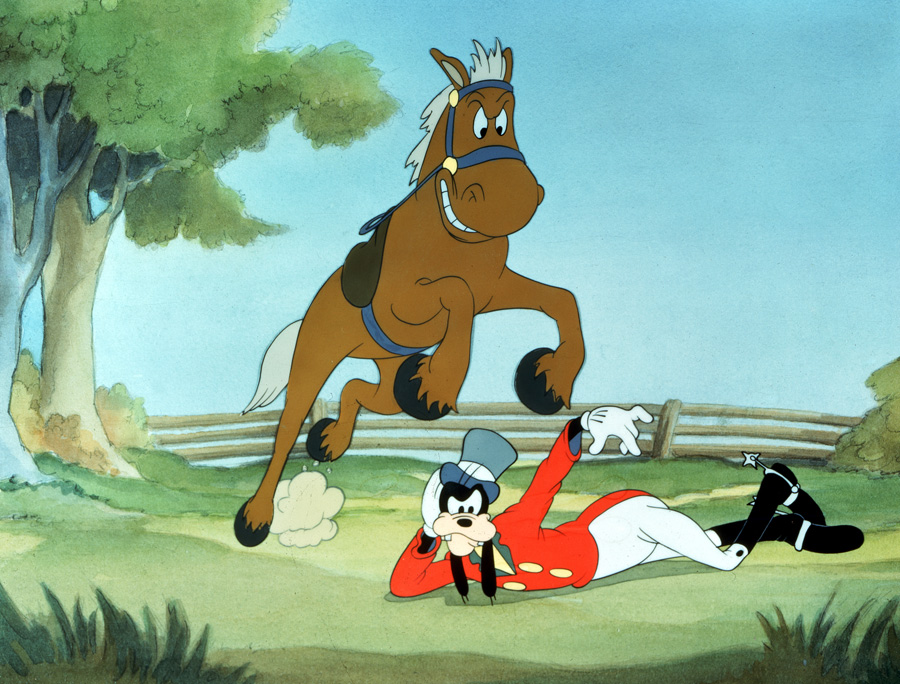
1941 Disney Short 'How to Ride a Horse'

After a bit more research, it turns out we have a whole stable of horses in the Disney family. In fact, horse characters have been really important to some of Disney’s most popular animated films. Who didn’t smile when Woody reunited with his trusty sidekick, Bullseye, in “Toy Story 2”? Other horse characters have bravely ridden into battle with princes, helped princesses flee from danger or simply hung around to provide comic relief (like the horse featured above with Goofy in the 1950 short “How to Ride A Horse”).

I just L-O-V-E Maximus, the horse from Tangled!!! How not to love him???


In honor of the resort’s special day, let’s have some fun and name as many Disney horses as we can – especially those that can be seen around the Walt Disney World Resort. See if you can add to the list below.
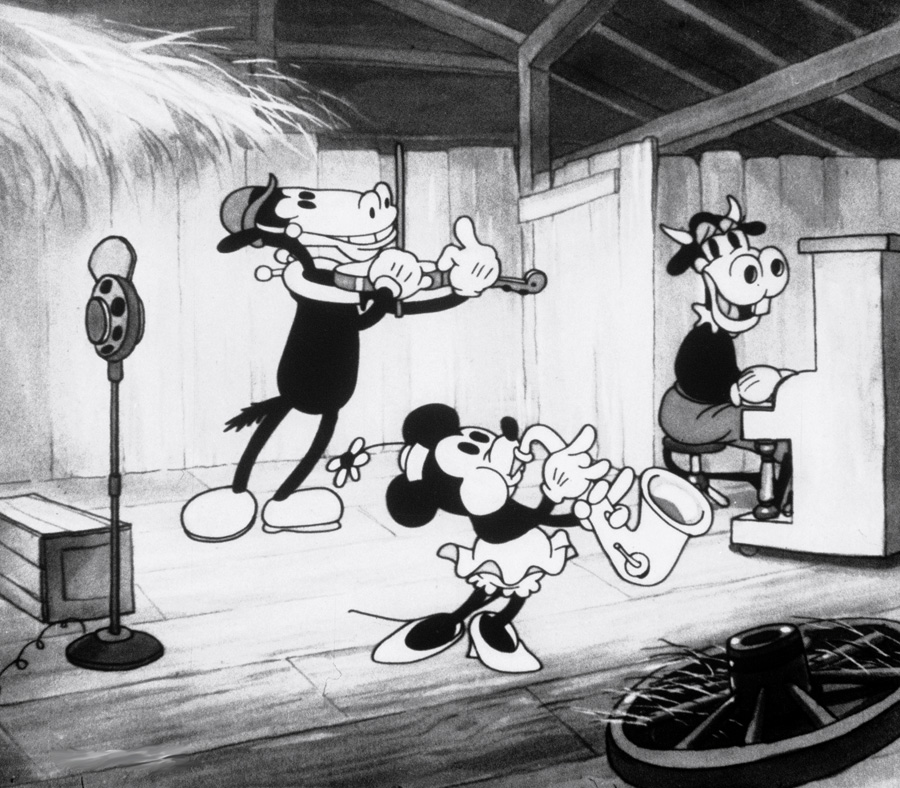
    Horace in the 1931 Short 'Barnyard Broadcast'
  1. Horace Horsecollar (Disney shorts) – What may be Disney’s first horse character, Horace (pictured above/left in the 1931 short, “Barnyard Broadcast”), made his debut in the 1929 animated short, “The Plow Boy.” Guests currently can catch him “hoofing it” in the Frontierland Hoedown Happening that takes place at Magic Kingdom Park.
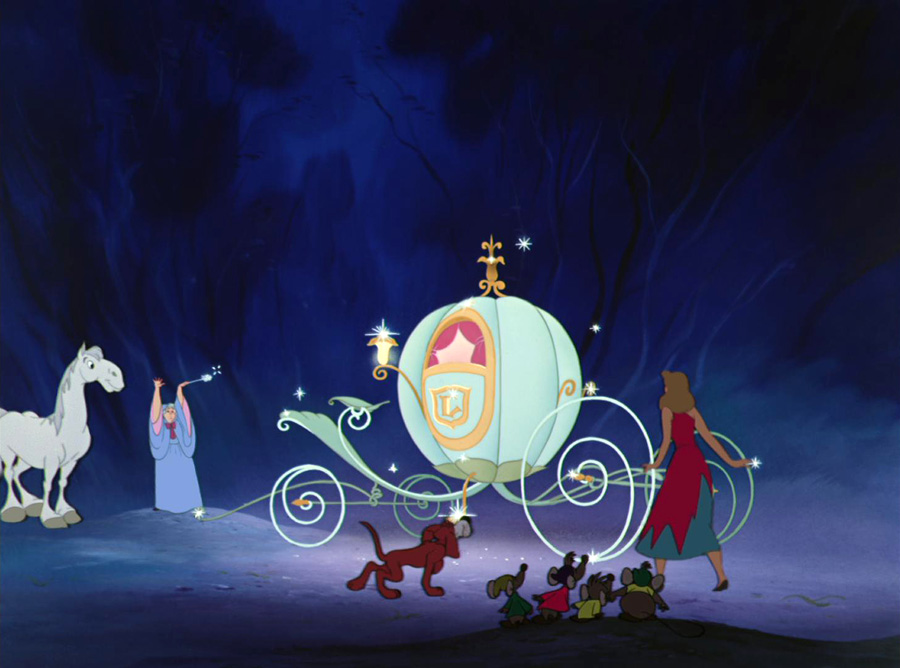
  2. Horse Major in 'Cinderella'
  3. Horse Major, mice Gus and Jaq (“Cinderella”) – Cinderella’s mice friends, Gus and Jaq, are temporarily transformed into horses to pull her pumpkin coach to the ball while the existing horse, Major, is changed into the driver of the coach. Gus and Jaq currently can be spotted giving an illuminating performance in the Main Street Electrical Parade at Magic Kingdom Park.
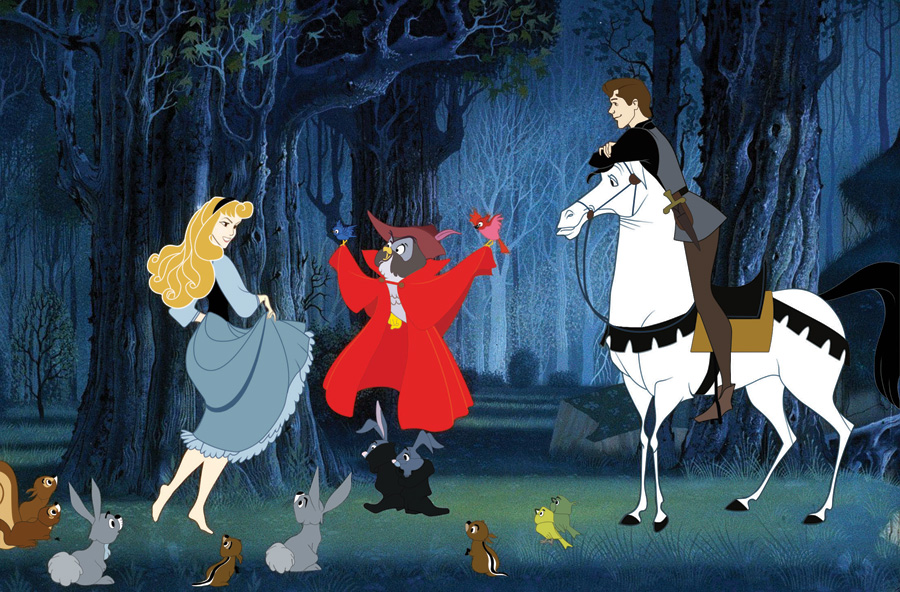
  4. Prince Phillip's Trusty Steed Samson in 'Sleeping Beauty'
  5. Samson (“Sleeping Beauty”) – Prince Phillip’s trusty steed accompanies him on all sorts of adventures in this 1959-flick, including meeting Briar Rose in the woods and joining him in the final battle against Maleficent. Guests can spot Prince Phillip, Samson and Maleficent in a new LEGO sculpture that decorates the LEGO Imagination Center at Downtown Disney Marketplace at the Walt Disney World Resort.
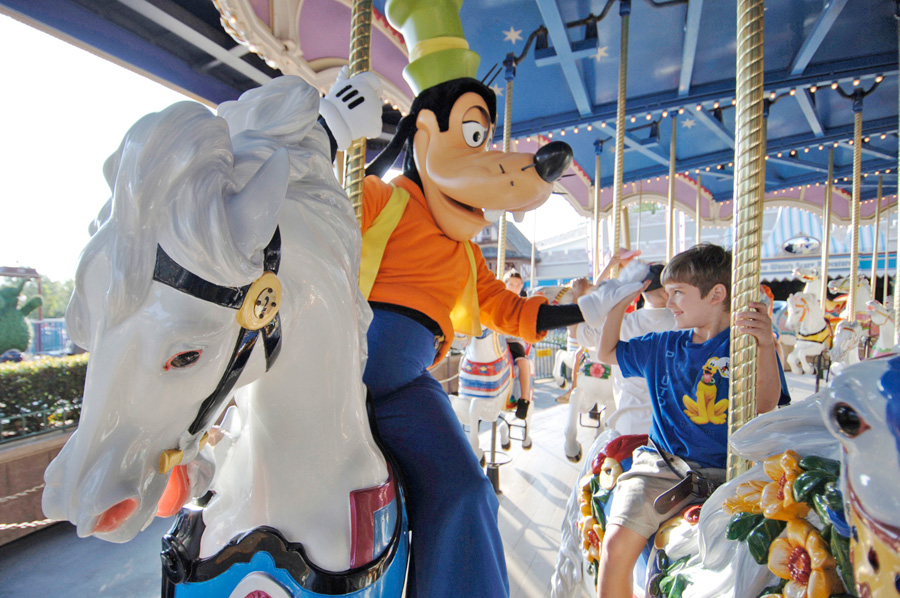
  6. Prince Charming Regal Carrousel at Magic Kingdom Park
  7. Prince Charming Regal Carrousel (Magic Kingdom Park) – This carrousel, originally built by the Philadelphia Tobaggan Company in 1917, was acquired by The Walt Disney Company in the late 1960s. The carrousel and it’s 90 horses debuted at Magic Kingdom Park on opening day in 1971.
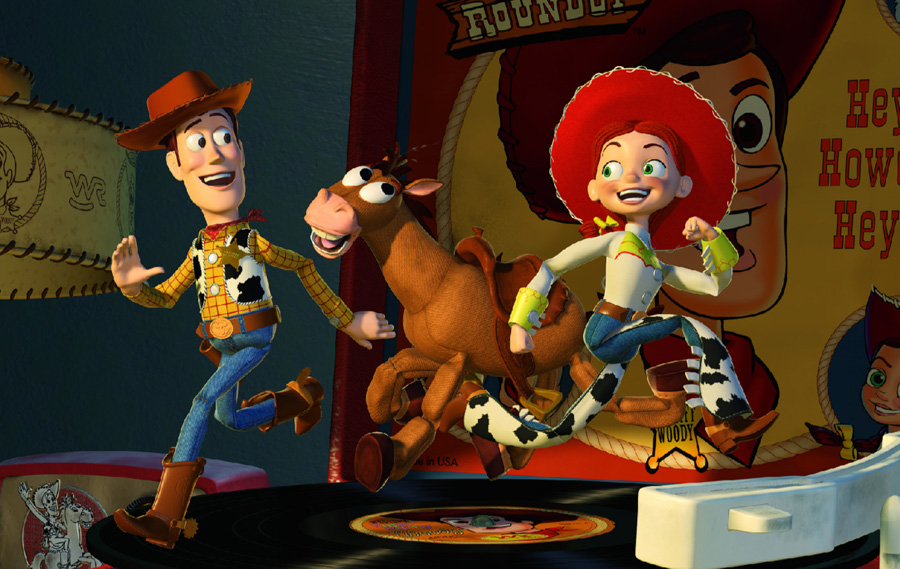
  8. Bullseye from 'Toy Story 2' and 'Toy Story 3'
  9. Bullseye (“Toy Story 2” and “Toy Story 3”) – Bullseye arrived on the scene in “Toy Story 2,” when Woody ventures into Al’s collectible toy showroom. Guests can play games with Bullseye (and other “Toy Story” characters) at Toy Story Mania! at Disney’s Hollywood Studios, or spot him in the park’s Pixar Pals Countdown to Fun Parade.
  10. Khan from 'Mulan'
  11. Khan (“Mulan”) – This horse appeared in “Mulan,” which was the first of three feature films produced inside Disney’s Hollywood Studios, in the same building that currently houses The Magic of Disney Animation attraction.
sábado, 30 de abril de 2011

Dave Smith Takes Us Behind the Slipper for a Look at Walt's "Cinderella"

It's hard to call one film the most beloved in the Disney canon—but "Cinderella" must surely rank right near the top of the list. Maybe it's the timeless appeal of justice winning out over tyranny. Maybe it's the beautiful songs. Maybe we all wish for a Fairy Godmother. Whatever the reason, "Cinderella" has warmed the hearts of millions, and Cinderella remains a favorite Princess among little girls (and grown-up ones too).


Insider: How did "Cinderella" influence other Disney animated films?

Dave: If "Cinderella" hadn't been a success, there probably would not have been any other Disney animated features. Walt had just gone through a difficult decade, notable for World War II, and ... the company had had major financial problems. After" Bambi," in 1942, Walt had been unable to get the financing for another full-length animated feature, so he had to be satisfied with package features, like "Make Mine Music" and "Melody Time," which combined a number of short cartoons. Finally, by the end of the decade, he had been able to scrape together enough cash to do "Cinderella," and the whole future of Disney animated features rested on its success. Thank goodness it was a big hit!

Why was Walt so attracted to fairy tales as source material?

Walt felt that when he used a fairy tale there was already a built-in audience for his film, because the audience members already knew a little about the story, and would be curious to see how Disney would depict it. "Snow White and the Seven Dwarfs" had been such a big hit, while following films, not based on fairy tales, had not been. He felt that if he attempted another film based on a fairy tale, it might match "Snow White's" success.


Can you talk a little about what added to the story?

The tale of Cinderella was well-known, so mainly Walt had to find a new way of telling it, and he accomplished that by introducing additional strong characters, such as Gus and Jaq and the other mice, the birds, Bruno the dog, and Lucifer the cat. They helped carry major parts of the story. Walt also added the King and the Grand Duke to the tale. Nothing showed off the abilities of animation over live action more than the exciting transformation of Cinderella and the Pumpkin Coach by the Fairy Godmother.

Why do you think "Cinderella" has resonated so much with audiences?

"Cinderella" tells a timeless tale—the poor, abused, downtrodden little girl who has great hopes and aspirations, and despite those who try to hold her back, is finally able to fulfill those aspirations in an even grander scale that she could have ever hoped. So many people yearn for the same magic that the story has continued to be meaningful to generation after generation. As Leonard Maltin has said, "The film's strongest point is its ability to elicit emotional response from its audience."

Can you talk about Cinderella's Castle at Walt Disney World? Why Cinderella?

Walt Disney had originally intended to name his Disneyland castle after Snow White, but then made the switch to Sleeping Beauty because he had the "Sleeping Beauty" film in production and naming the castle would help promote it. By 1971, Walt was gone and there were no more fairy-tale movies in the offing, so the Park's designers decided to return to the Cinderella story as the inspiration for their new castle. They wanted it to be different from the Sleeping Beauty Castle, and Cinderella seemed to fit the bill. It would be a grand, majestic castle, more than 100 feet taller, so as to fit the larger scale of Walt Disney World's Magic Kingdom.

Are there any items in the Archives related to Cinderella?

The Archives contain story materials on "Cinderella," though the artwork is all in the Animation Research Library. We have the press releases, press books, posters, and other materials that were used to promote the film, and a collection of the resulting reviews. There are also Cinderella toys, figurines, games, clothing, books, and phonograph records, not to mention hundreds of photos in our Photo Library. I really like the ceramic figurines of Cinderella, Prince Charming, and the mice, made by American Pottery in 1950.